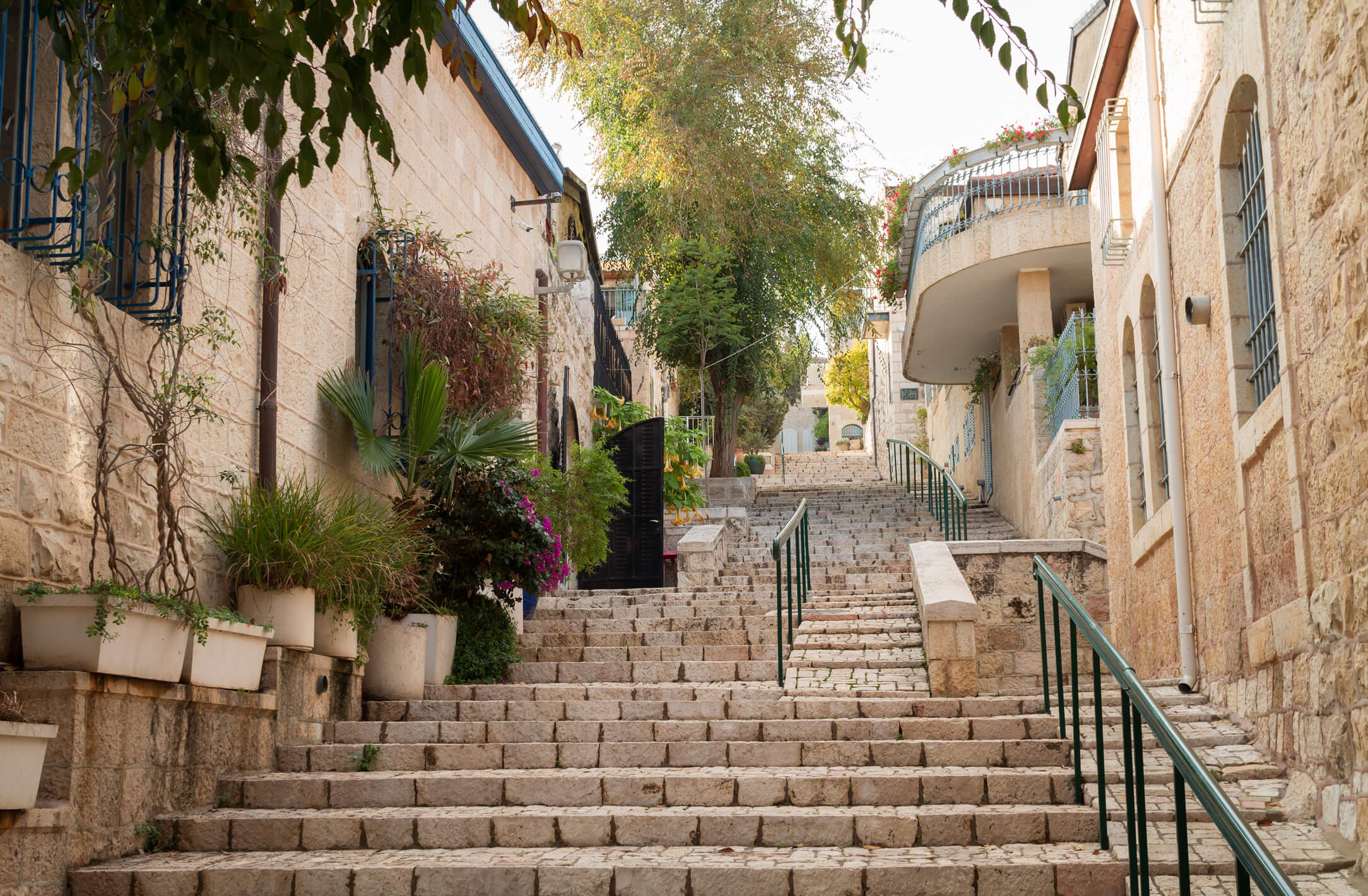
Buying property in Israel as a foreigner can seem overwhelming—but with the right knowledge and guidance, it’s absolutely possible. Whether you’re looking for a holiday apartment in Tel Aviv or a long-term investment in Jerusalem, this guide walks you through everything step-by-step.
Can Foreigners Buy Property in Israel?
Yes, foreigners can legally buy property in Israel. However, not all land is available for private ownership. Around 93% of the land is owned by the government (Israel Land Authority), and most of that is leased—not sold.
Foreigners can:
- Buy private land (typically found in cities like Tel Aviv, Herzliya, or Netanya)
- Purchase apartments or homes built on leased land (usually 49–98-year leases)
⚠️ Note: Foreign nationals may need special approval if the land is under government control (Minhal).
Step-by-Step: Buying Property in Israel as a Foreigner
1. Plan Your Budget
Understand the full cost:
- Purchase price
- Purchase tax (Mas Rechisha)
- Lawyer fees (~1%)
- Agent commission (~1–2%)
- Mortgage fees (if applicable)
Foreign buyers usually pay 8–10% purchase tax depending on the property price and status.
2. Hire a Real Estate Lawyer
A lawyer is not optional—it’s required. They will:
- Check ownership via Tabu (Land Registry)
- Ensure the property is free from liens/debts
- Handle contract negotiation and payment schedule
- Register the property under your name
3. Search for a Property
Use trusted real estate websites:
Hire a local agent with experience working with foreigners. Many properties are not listed publicly.
4. Sign a Binding Contract
Once you choose a property, the lawyer will help draft and sign a purchase agreement:
- Usually, a 10% down payment is made
- Contract includes payment stages, deadlines, and penalties
Make sure you understand:
- Property boundaries
- Land status (private vs. leased)
- Any building permits or extensions
5. Finance the Purchase
Mortgages for foreigners are possible, but:
- Israeli banks may require 40–50% down payment
- You’ll need documents translated and notarized
- Terms may vary based on your residency and income source
6. Pay Purchase Tax
Within 60 days of signing the contract, you must pay the Mas Rechisha (purchase tax). Your lawyer will handle the paperwork and payment submission.
7. Registration & Final Handover
Once all payments are complete, the lawyer will:
- Register the ownership in Tabu or Israel Land Authority
- Ensure all taxes and fees are cleared
- Facilitate key handover and possession transfer
Things to Watch Out For
- Avoid properties with unregistered additions (illegal balconies, rooftop rooms)
- Verify seller’s authority (especially in inherited or shared properties)
- Don’t rely solely on English translations—always review original Hebrew contracts with a lawyer
Tips for a Smooth Experience
✅ Choose a lawyer who speaks your language
✅ If you can’t be in Israel, give Power of Attorney to someone you trust
✅ Consider exchange rate risk if you’re wiring large funds from abroad
✅ Know the neighborhood—visit it at different times of day
Final Thoughts
Owning property in Israel is more than an investment—it can be a meaningful connection to the land and culture. But don’t go it alone. The legal system is complex, and the language barrier can be tricky. With the right help, your home-buying journey can be smooth, legal, and exciting.